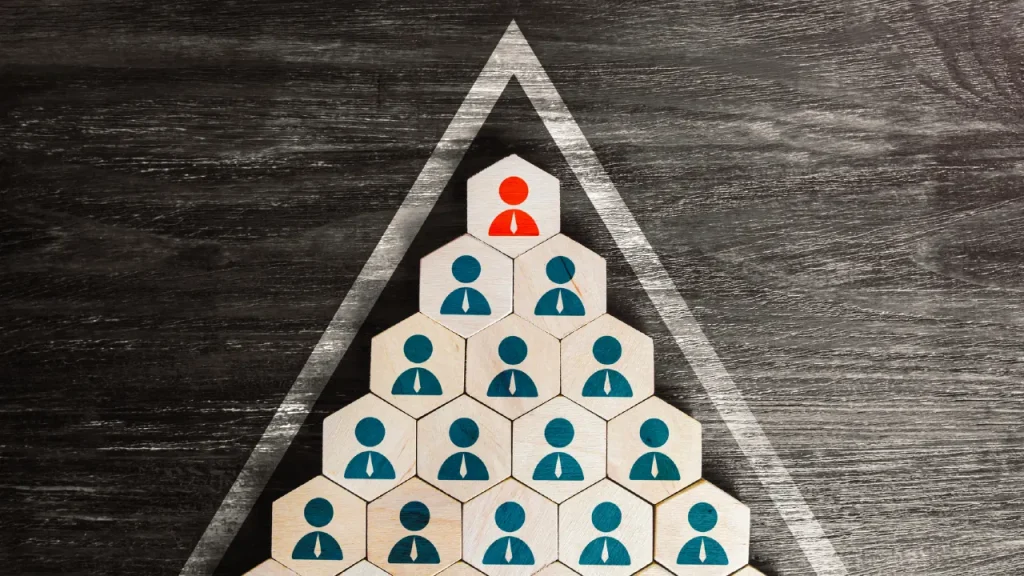
In early-stage organizations, coaching often happens organically. Founders sit close to teams. Managers know deals, people, and context intimately. Feedback is immediate and personal. But as organizations grow, this proximity disappears. Teams expand across locations. Layers form. Managers inherit larger spans of control. What once worked through intuition begins to strain.
This is where many growth-focused organizations struggle. Performance expectations rise, but coaching remains informal, inconsistent, and dependent on individual manager capability. The result is uneven development. Some teams thrive but others tend to stagnate. Leadership assumes the issue is talent, when in reality it is scalability. Growth does not dilute the need for coaching. It magnifies it.
In this article, you will read about,
The Hidden Risk of Scaling Without Coaching Infrastructure
During expansion years, organizations invest heavily in systems for sales, finance, and operations. Coaching, however, is often left to chance. It is treated as a soft skill rather than a strategic capability.
Without structure, coaching becomes reactive. Conversations happen only when performance dips. Development becomes episodic instead of continuous. High performers receive little guidance. New managers replicate habits rather than best practices.
Over time, this creates cultural drift. Expectations vary by team. Standards blur. The capability gaps widen. The organization grows in size, but not in maturity. Scaling coaching is not about doing more coaching. It is about designing coaching so it survives growth.
From Individual Effort to Organizational System
The defining shift in scalable coaching is moving from individual effort to organizational system. Coaching must no longer rely solely on a manager’s instinct or availability. It needs shared language, shared rhythm, and shared standards. This does not mean scripting conversations. It means creating clarity around what good coaching looks like, when it happens, and what it focuses on.
Growth-focused organizations define coaching priorities clearly. They distinguish between performance management and development. They ensure coaching conversations are about building capability, not just reviewing outcomes. When coaching becomes a system, it becomes repeatable. And repeatability is what allows scale.
The Role of Tools in Enabling, Not Replacing, Coaching
Technology plays an important role in scaling coaching, but only when used with intention. Tools help surface patterns, flag moments that matter, and reduce administrative burden. They give managers visibility they would otherwise lose as teams grow.
However, tools cannot coach. They can prompt, record, and analyze, but they cannot interpret nuance or build trust. Organizations that over-automate coaching risk turning it into another compliance exercise. The most effective tools act as enablers. They support preparation, reflection, and follow-through. They make coaching easier to do consistently, not easier to avoid.
Why Workflows Matter More Than Frameworks
Many organizations invest in coaching frameworks but overlook workflows. Frameworks explain what good coaching should include. Workflows determine whether it actually happens. In growth-focused organizations, coaching must fit into the flow of work. Short, regular conversations outperform long, infrequent ones. Coaching tied to live projects, deals, or decisions creates relevance. Follow-ups matter more than one-time insights.
Well-designed workflows protect coaching time. They reduce reliance on memory and motivation. They make development part of execution, not an interruption to it. Scaling coaching is less about teaching managers what to say and more about designing when and how conversations occur.
The Critical Capability Gap in Managers
As organizations grow, the manager role changes faster than the skill set supporting it. Many managers are promoted for performance, not for their ability to develop others. During expansion, this gap becomes visible.
Scaling coaching requires investing in manager capability deliberately. Managers must learn how to diagnose skill gaps, ask developmental questions, and guide thinking rather than give answers. They must know how to balance accountability with support.
Without this investment, coaching quality varies widely. Some managers over-direct. Others avoid difficult conversations. Both approaches limit growth. Organizations that scale well treat coaching capability as a leadership requirement, not a personality trait.
Consistency Without Uniformity
One of the hardest challenges in scaling coaching is maintaining consistency without flattening individuality. Growth-focused organizations need shared standards, but they also need flexibility across contexts.
Effective coaching systems provide structure without rigidity. They define principles rather than scripts. They encourage managers to adapt conversations to individuals while staying aligned on purpose and quality. This balance allows coaching to feel personal even at scale. Sellers, engineers, or leaders feel seen as individuals while benefiting from organizational coherence.
Measuring What Matters in Coaching at Scale
Scaling coaching also requires rethinking measurement. Counting conversations is easy. Assessing impact is harder. Growth-focused organizations look beyond activity and track capability progression, confidence, and behavioral change.
They ask whether coaching improves decision quality. Whether people recover faster from setbacks. Whether internal mobility increases. These signals reveal whether coaching is working as a system, not just as an event. Measurement should reinforce depth, not incentivize volume.
Why Scaling Coaching Is a Leadership Decision
Ultimately, scaling coaching is not an HR initiative or a manager task. It is a leadership decision about how the organization grows. Coaching shapes how people think, adapt, and lead under pressure. In expansion years, these qualities determine whether growth is sustainable or fragile.
Organizations that scale coaching intentionally build cultures that learn faster than they grow. Those that do not often grow faster than their people can adapt. The difference shows up later. In resilience. In bench strength. In leadership depth.
Frequently Asked Questions
Why does coaching break down as organizations grow?
Because informal, relationship-based coaching does not scale without structure, workflows, and shared standards.
Can technology alone scale coaching effectively?
No. Technology supports consistency and visibility, but human judgment and trust drive coaching impact.
What is the first step to scaling coaching in a growth phase?
Clarifying what coaching is for and embedding short, regular coaching conversations into daily work rhythms.